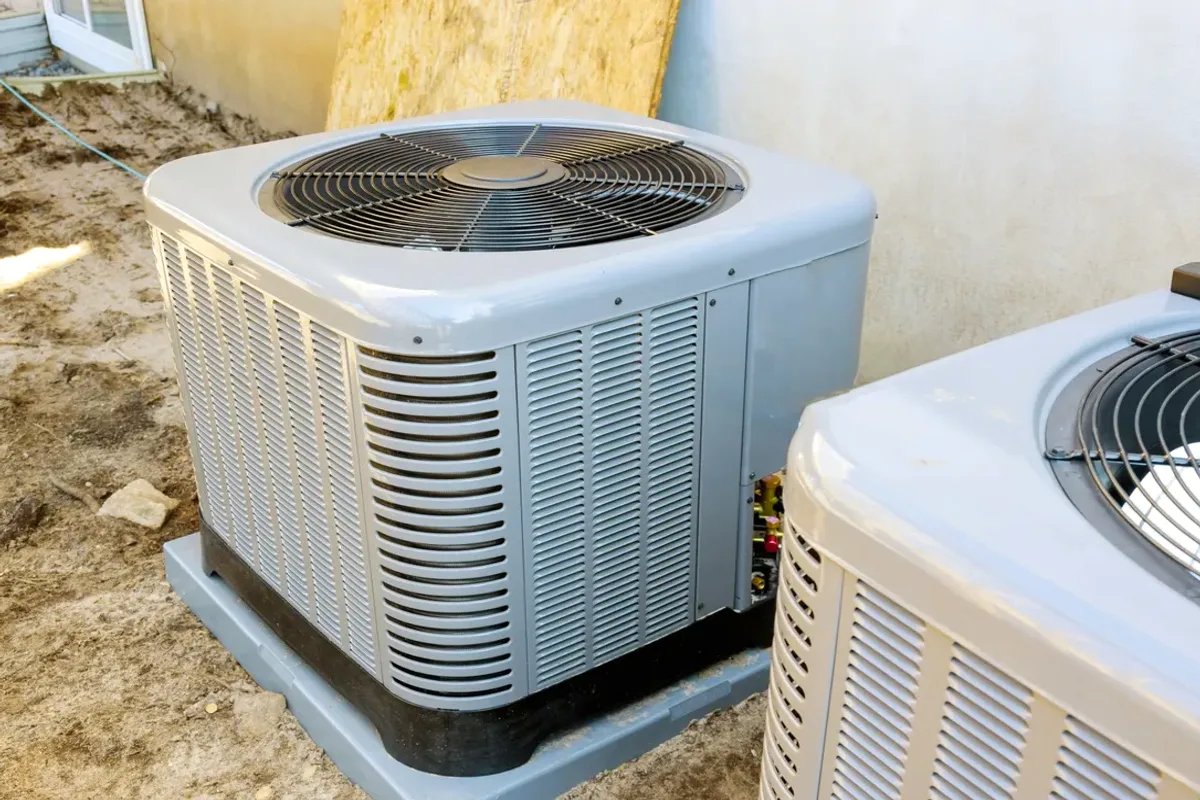
How can you tell what is causing an air conditioner to cool poorly?
Air-conditioner repair starts by determining why cooling is weak, warm, uneven, noisy, or absent. Central systems and ductless mini-splits have different components and controls, and inverter-driven equipment requires model-specific diagnosis. Observations such as a dripping indoor head, short cycling, or a compressor that does not start help narrow the work. Equipment details, fault codes, and recent changes to airflow or operation can guide testing without assuming that every cooling problem needs a replacement.
Note whether the system is central air or ductless, which rooms are affected, and whether the unit starts, cycles off, drips, or makes a new sound. Record any displayed code and recent filter or control changes. Assessment can compare airflow, controls, electrical readings, coils, drainage, and refrigerant-circuit indications. Those observations help distinguish a repairable component fault from a broader equipment condition.
Central air and ductless mini-split cooling faults
Inverter compressors, capacitors, airflow, coils, and refrigerant checks
Repair, maintenance, and repeat-failure decisions
Assessment and Scope
Questions for the Proposed Work
01
Compare central and ductless symptoms
A central air conditioner may have weak airflow at several registers, while a ductless head may drip, cool unevenly, or fail to respond independently. The distinction directs inspection toward duct airflow and shared equipment in one case, or the indoor head, drainage, and system controls in the other. Inverter-driven compressors also require diagnostic methods suited to their controls. Model and fault-code information can prevent a symptom from being mistaken for a failed compressor.
02
Check the cause before replacing parts
A failed capacitor, control, or electrical connection can stop operation, but testing should establish the fault rather than infer it from the symptom. Restricted airflow from a filter or coil can also affect cooling and operating conditions. Refrigerant-circuit checks belong to qualified service work, since a cooling complaint alone does not show that refrigerant is low. Readings and inspection findings help decide whether the repair is a component correction or requires broader investigation.
03
Keep maintenance distinct from repair
Repair addresses a diagnosed fault; maintenance follows the equipment manufacturer's instructions and inspection findings. It may include reviewing airflow, coils, drainage, controls, and accessible electrical components, but it does not mean routine refrigerant adjustment or chemical treatment. If a system has recurring failures, compare the repair history and condition with replacement options. A first fault does not by itself establish that replacement is preferable, nor does repair guarantee that no later fault will occur.
Compare the next step
List the office equipment, occupancy hours, and periods of direct sun. Ask whether the existing system is cooling normally elsewhere and what assessment is needed in the office. A useful proposal explains whether it addresses an AC fault, local heat gain, air delivery, or independent zone control.
Do not open electrical panels or handle refrigerant. If ice, water near electrical equipment, or abnormal operation is present, stop using the affected system and request an assessment.