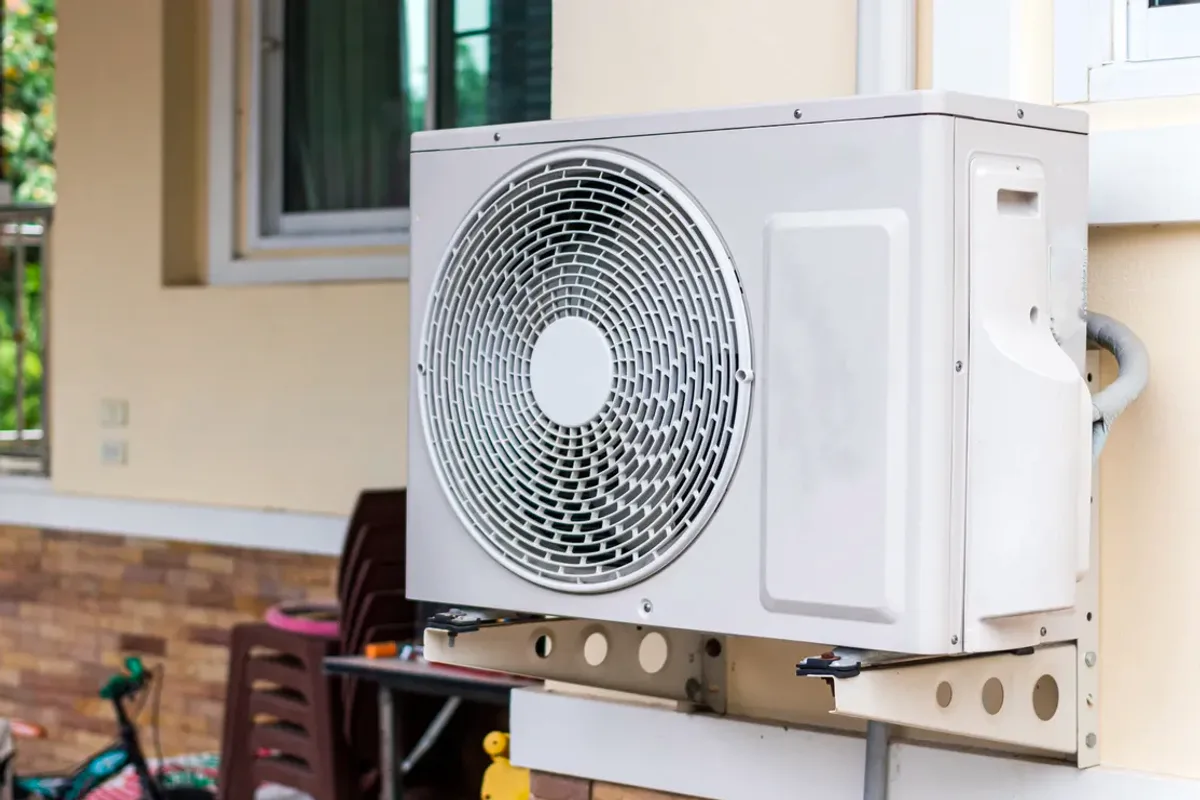
Request heat pump repair & installation for a property in Chatham. Include the equipment, the problem or planned work, and your location so the request can be reviewed.
Should a heat pump that is not heating or cooling be repaired or replaced?
Heat-pump repair and installation are different decisions: repair follows diagnosis of an existing unit, while installation requires matching new equipment to the property and its heating and cooling needs. A unit that will not heat, cool, or operate steadily may have an electrical, refrigerant-circuit, defrost, drainage, or control fault. If replacement is being considered, equipment type, capacity, existing connections, and intended use affect selection. The model and the conditions under which the symptom occurs help define the next assessment.
Record the unit's make and model, operating mode, displayed fault code, and whether the issue occurs during heating, cooling, or a defrost cycle. Note unusual sounds, water around the equipment, and changes in operation or energy use. Assessment can examine electrical and control operation, refrigerant-circuit indications, defrost, and drainage. For replacement, the existing equipment and property requirements must also be considered to establish suitable sizing and connections.
Heat-pump electrical, refrigerant, defrost, and drainage faults
Replacement sizing and heating-versus-cooling requirements
Repair, maintenance, and replacement comparisons
Assessment and Scope
Questions for the Proposed Work
01
Diagnose the operating fault
A heat pump that loses heating or cooling may have a failed electrical component, a refrigerant-circuit problem, restricted airflow, a control fault, or an issue with defrost or drainage. Testing should establish which condition is present; a symptom such as noise or weak output does not identify a failed part on its own. Record whether the fault appears in heating, cooling, or during a change in operating mode, since that timing can direct the diagnostic process.
02
Assess installation as a separate project
Replacement selection depends on the property's heating and cooling requirements, the existing system, equipment configuration, and compatible electrical and refrigerant connections. If heating through colder conditions is part of the request, compare models specified for that use rather than assuming every heat pump has the same capability. A site assessment and equipment information help determine sizing and installation scope. A repair diagnosis alone is not enough to choose a replacement model.
03
Compare repair with replacement evidence
A repair is a reasonable option when testing identifies a correctable fault and the unit's overall condition supports continued operation. Replacement can merit comparison when failures recur, condition is poor, or a repair would not address the equipment's broader limitations. Review the service history, confirmed fault, and proposed scope together; rising energy use alone does not prove a specific defect. Maintenance remains distinct and should follow manufacturer instructions and inspection findings.
Compare the next step
Decide whether office comfort is the sole project or part of a broader heating conversion. Ask how the proposed system serves the occupied office when other rooms have different demands. Compare the maintenance, control, and distribution implications of an independent room system with changes to central equipment.
Cold-climate capability does not prove that one model covers every home heating load. Ask how the selected equipment and supplementary heat meet the actual design requirements.