Request furnace repair for a property in Chatham. Include the equipment, the problem or planned work, and your location so the request can be reviewed.
What should be checked when a furnace will not start or heat properly?
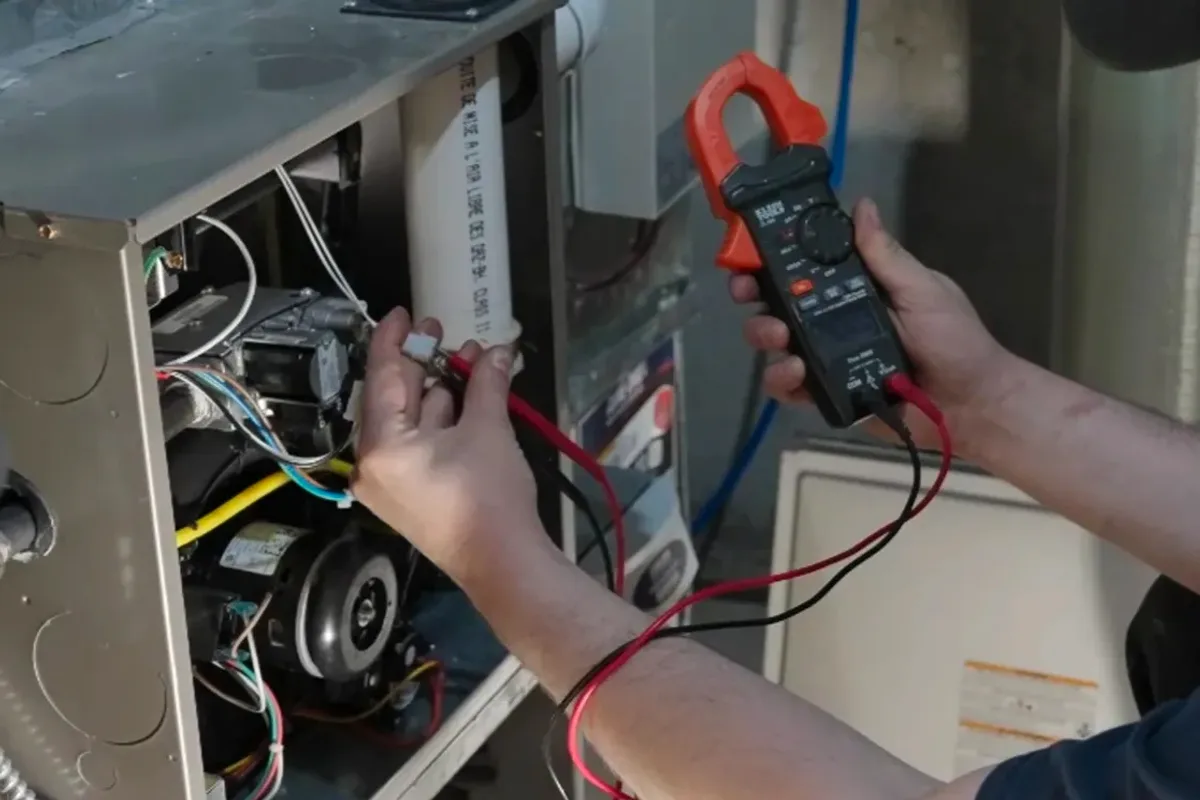
Furnace repair begins by identifying why the unit will not start, is producing insufficient heat, or is making an unusual sound. The fault may involve the ignition sequence, fuel supply, airflow, thermostat, motor, or a control. Diagnosis should distinguish a repairable component problem from a condition that changes the safety or replacement decision. If the furnace uses gas, combustion and venting observations matter; the make, model, fuel, and any fault display help establish what testing and parts are appropriate.
Record the furnace make and model, fuel type, displayed fault code, and when the symptom occurs. Note whether the unit starts and then shuts down, runs without warming rooms, or makes a new sound. A qualified assessment can test the ignition sequence and controls, check airflow and venting, and inspect the heat exchanger as appropriate. These findings help separate a specific repair from a safety concern or replacement decision.
Furnace ignition sequence, gas pressure, and fuel faults
Airflow, thermostat, heat-exchanger, venting, and safety inspection
Repair, maintenance, and replacement decisions
Assessment and Scope
Questions for the Proposed Work
01
Trace the ignition and fuel fault
A no-start condition can arise from the thermostat call, ignition components, fuel delivery, or a safety control interrupting operation. For a gas furnace, diagnosis may include observing the ignition sequence and measuring gas pressure with suitable instruments. The sequence matters because replacing an ignition part without checking what caused the failure can leave the actual fault unresolved. Homeowners should report symptoms and leave fuel and combustion testing to qualified personnel.
02
Separate airflow and operating problems
Uneven heat, short cycling, or unusual noise may point to restricted airflow, a blower or motor problem, a control issue, or a thermostat that is not representing room conditions. Inspection can compare filter condition, airflow, thermostat operation, and the furnace's response through a heating cycle. For fuel-burning equipment, heat-exchanger, venting, and safety checks are distinct from routine component repair and should be guided by the unit and inspection findings.
03
Choose repair, maintenance, or replacement
Repair is appropriate when testing identifies a fault that can be corrected and the furnace remains suitable for continued use. Maintenance is a separate inspection and service decision, guided by manufacturer instructions and observed condition; it is not a promise that breakdowns will be avoided. Replacement deserves comparison when safety findings, condition, parts, or repeated faults change the outlook. Age alone does not establish that a furnace must be replaced.
Compare the next step
Describe whether the office is occupied with its door open or closed and whether other rooms reach their setpoint. Ask what measurements would distinguish a local delivery issue from a furnace fault. Compare a targeted distribution correction with equipment work using the same occupied-room comfort objective.
Leave burner, fuel, venting, electrical, and internal equipment work to a qualified contractor. Do not bypass a safety switch or repeatedly reset a furnace.